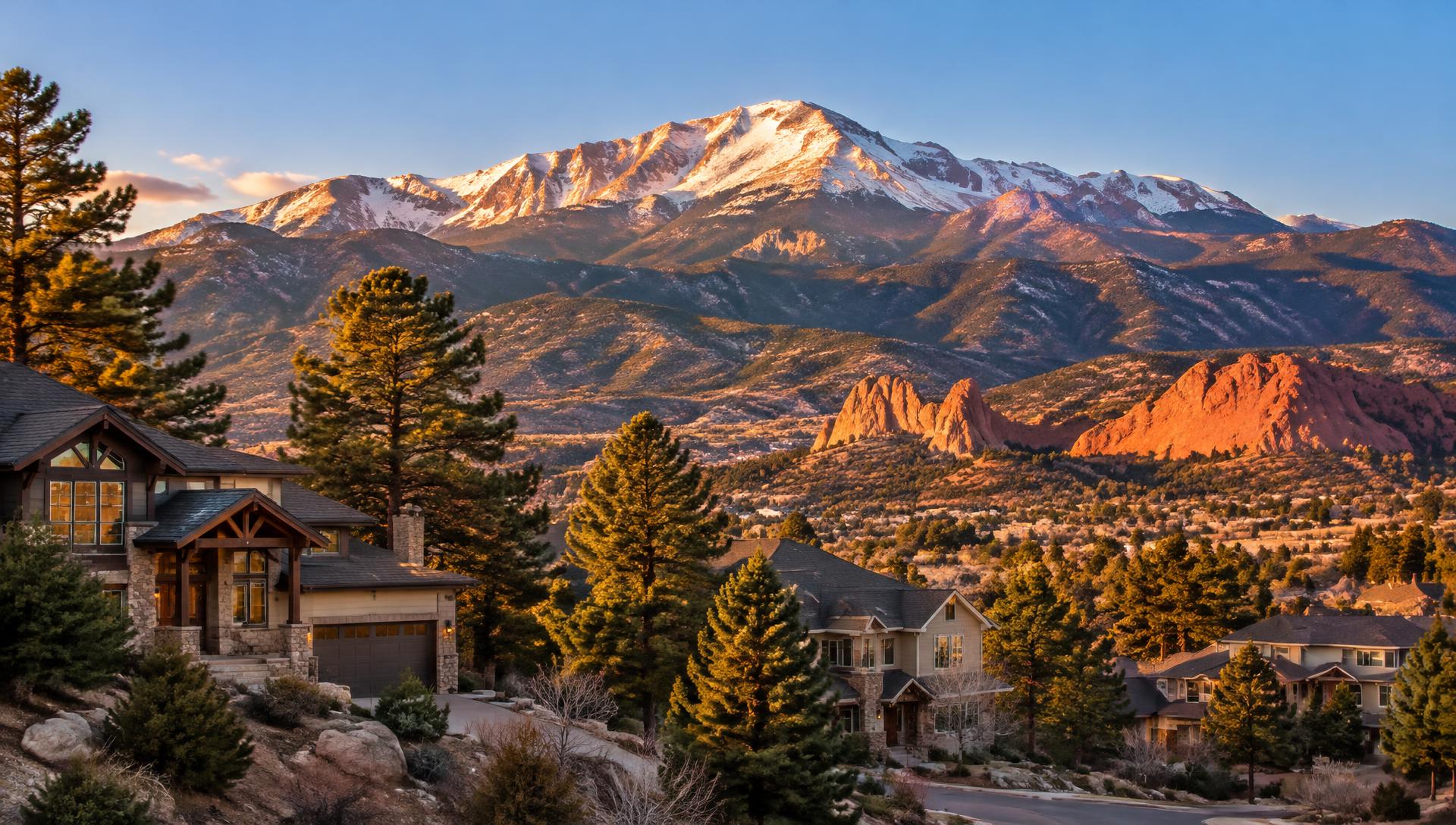
Colorado Springs weather combines a sunny, dry climate with the possibility of hail, wind, and snow, while the city's high elevation can require an adjustment for newcomers. Those conditions affect more than what to pack: they should inform arrival plans, home inspections, maintenance expectations, and property-specific insurance questions.
Give altitude adjustment a place in the moving plan
Colorado Springs altitude is an important consideration for people arriving from lower elevations. Moving day already involves exertion, disrupted sleep, and unfamiliar routines, so a packed outdoor schedule may not be a useful way to begin. Allow room to settle in and avoid treating the first visit as a test of endurance.
Ask a healthcare professional about arrival planning if anyone has a medical condition, prior difficulty at elevation, or concerns about medication and travel. A real estate guide cannot determine whether symptoms are harmless or provide an individualized medical plan. Seek medical advice for concerning symptoms rather than assuming elevation explains everything.
Practical preparation can include accessible drinking water, comfortable indoor arrangements, and flexibility about strenuous activities. Keep important medication and healthcare information with the household instead of buried in moving boxes. The goal is a manageable transition, not a promise that every person adjusts in the same way.
Plan for sun and a dry climate
The region's sunny setting is part of its appeal, but outdoor plans should include appropriate protection and attention to changing conditions. Shade, clothing, and a reasonable pace can matter during errands as well as recreation. People arriving from a humid climate may also want to discuss comfort and indoor humidity questions with an appropriate professional.
When evaluating a home, observe window exposure and how different rooms feel during a showing. Ask about heating and cooling equipment, insulation, ventilation, and maintenance. A bright room in listing photos may have different comfort needs during everyday use.
Outdoor spaces deserve the same practical review. Look at available shade, plant care expectations, irrigation arrangements, and the condition of decks or other exposed materials. Choose a property whose maintenance needs fit the household rather than assuming a dry climate means an effortless yard.
Treat hail and roof insurance as purchase questions
Hail is a meaningful part of Colorado Springs weather planning. For buyers, the useful question is not whether a roof looks attractive from the street, but what is known about its condition and what an insurer will offer for the actual property. Ask for available records without treating incomplete records as proof that no issue exists.
Have qualified professionals evaluate roof condition and any signs of damage. Clarify who inspected the roof, what could be observed, and whether additional evaluation is recommended. Do not assume a seller's statement about an insurance claim establishes the present condition or guarantees future coverage.
Before relevant contract deadlines, obtain an insurance quote and ask about wind and hail deductibles, roof settlement provisions, exclusions, and underwriting requirements. Confirm how roof age or materials affect the proposed policy. Coverage questions belong with an insurance professional, while inspection findings belong with qualified inspectors or contractors.
The cost-of-living guide explains how insurance fits into the ownership budget. A premium is only part of the decision; the financial responsibility after a covered loss also matters.